Trusted Highlands Ranch Roofer for Residential Roof Improvements
Expert Roofer Providing Top-Notch Roof Solutions
Retaining a experienced roofing specialist is a important determination for householders seeking quality roofing solutions. These authorities not only assure compliance with applicable construction codes but also provide access to superior materials. Their talent to pinpoint and tackle conceivable problems in the early stages can save major expenses and duration. Grasping the various roofing options accessible and their benefits can better improve this process. What factors should homeowners consider when selecting the right professional for their specifications?
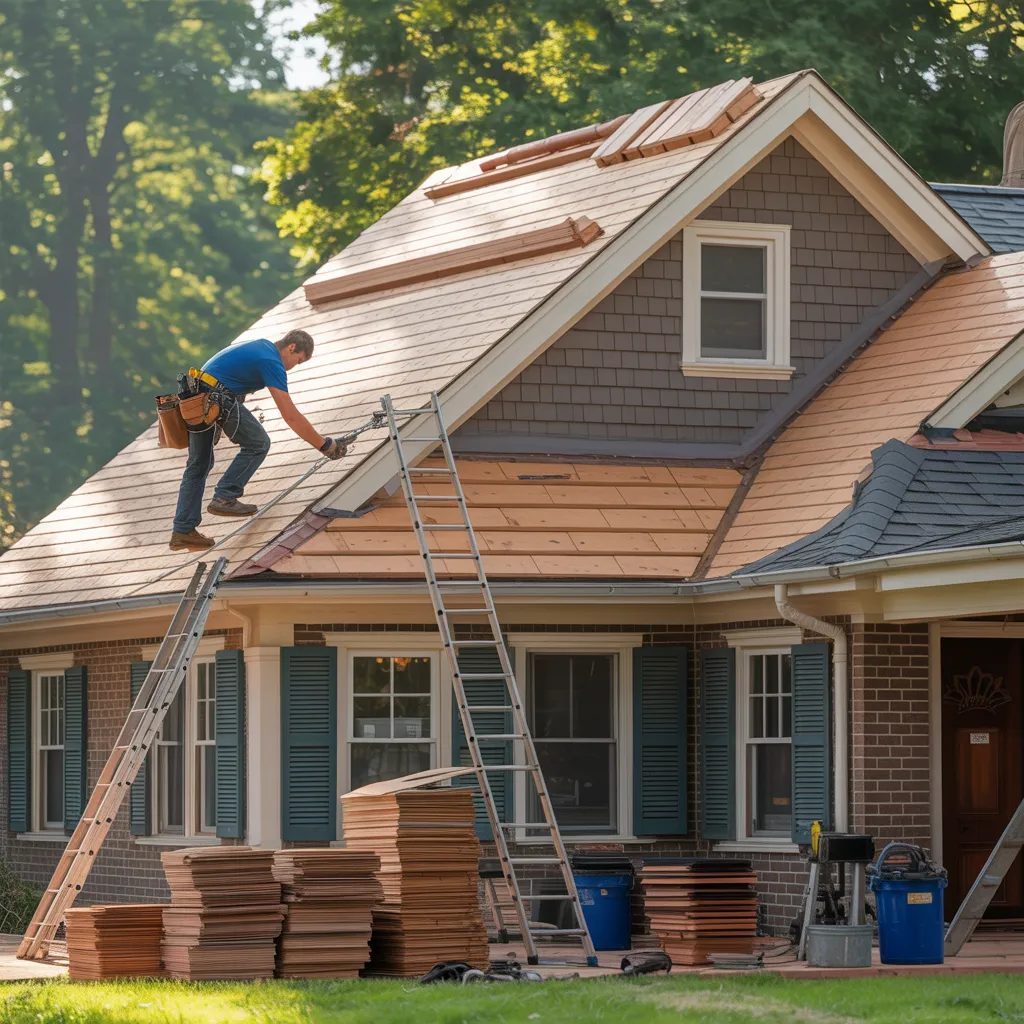
Why You Ought to Retain a Professional Roofer
When evaluating a roof renovation, enlisting a professional roofer ensures both quality and protection. Professional roofers have the necessary training and knowledge to manage different roof problems effectively. Their background allows them to identify potential issues before they worsen, ensuring lasting longevity. Furthermore, they are well-versed in local building codes and requirements, which minimizes the chance of legal complications.
In addition, expert roof contractors have access to premium-grade materials that may not be available to the average homeowner, improving the overall effectiveness of the roof structure. They also provide warranties that can give peace of mind, protecting the investment made in the roofing project. Crucially, protection is essential; experienced roof technicians are equipped with the appropriate equipment and safety gear to perform their work without incurring damage. To conclude, hiring a professional roofer is a prudent selection for reaching a trustworthy and secure roof answer.
A Handbook to Common Roofing Materials and Their Advantages
An array of roof solutions are accessible, each presenting distinct positives fitting various requirements and preferences. Asphalt shingles are among the most popular due to their affordability, ease of installation, and variety of colors. Metal roofing, distinguished by its durability and protection against extreme weather, also reflects heat, rendering it energy-efficient. Slate tiles provide a eternal aesthetic and impressive longevity, while clay tiles offer superb insulation and can resist harsh climates.
For homeowners considering eco-friendly alternatives, rubber roofing is becoming increasingly common; it emulates the appearance of more expensive materials and is derived from reclaimed products. Wood shakes present a natural, rustic presentation but call for more regular upkeep. To conclude, man-made roof materials unite the finest traits of traditional choices, delivering flexibility and resilience. Each type offers unique advantages, rendering it essential for homeowners to weigh their priorities and confer with specialists when choosing the best solution for roofing.
Typical Roofing Concerns and the Way Professionals Tackle Them
Typical roofing complications, such as water intrusion and liquid deterioration, can trigger significant property damage if not addressed promptly. Additionally, absent or defective shingles compromise the roof's strength and expose the home to further risks. Professionals execute assorted methods to identify and resolve these issues, ensuring sustained protection and peace of mind for homeowners.
Leaks and Water Damage
Leaks and water damage bring pressing challenges for homeowners, regularly generating pricey renovations and foundational threats. These situations commonly emerge from a mixed collection of origins, including degraded materials, poor fitting, or even severe weather patterns. Water entry can affect insulation, enable mold proliferation, and undermine structural durability. Qualified roof contractors implement innovative methods to spot and fix leaks proficiently. They complete exhaustive inspections to locate critical weak points, employing tools such as moisture meters and infrared cameras. Once located, they introduce precision solutions, which may include sealing, flashing replacement, or, in severe cases, partial roof replacement. By managing water damage without delay, professionals aid homeowners avoid deterioration, delivering durable safekeeping and peace of mind.
Missing or Deteriorated Shingles
Roofing issues often present through missing or damaged shingles, which can weaken a home's defensive layer. These problems leave vulnerable the underlying structure to environmental factors, possibly resulting in leaks and additional damage. Professionals commonly execute comprehensive assessments to pinpoint the extent of the damage. They may recommend replacing individual shingles or entire sections, depending on the degree. Using high-quality materials, experienced roofers assure proper installation to prevent future issues. Additionally, they assess the roof's general state to resolve any foundational issues, such as inadequate airflow or structural vulnerabilities. Consistent upkeep and timely repairs are essential in preserving a roof's integrity, ultimately safeguarding the home from water damage and other environmental hazards.
Finding the Optimal Roof Type for Your Home
When selecting the ideal roofing alternative for a home, it is essential to assess individual roofing requirements initially. Learning about the variety of material options obtainable and their individual prices can impact the decision-making process greatly. Budget considerations also play a vital role in guaranteeing that the chosen solution meets both practical and visual requirements.
Analyzing Your Roofing Concerns
How can one select the most suitable roofing option for their home? To evaluate roofing needs, start by examining the home's architectural style and the local climate. Homeowners should weigh criteria including energy efficiency, durability, and maintenance needs. A careful inspection of the existing roof can reveal potential problems that might impact the choice of materials. Moreover, monetary limits play a important role; understanding the long-term expenses compared to initial investment is vital. Consulting a professional roofer can provide important recommendations and guidance tailored to individual demands. Ultimately, the decision must combine appearance with operational demands, ensuring the chosen roofing choice increases the home’s value while offering durable defense.
Material Types Outline
Selecting the appropriate roofing materials represents a critical component of the complete roofing process. Homeowners should assess alternative choices, all featuring individual benefits and limitations. Asphalt shingles remain popular due to their budget-friendly nature and simple setup, whereas metal roofing delivers resilience and thermal performance. Clay and concrete tiles supply an sophisticated, enduring choice, particularly well-suited for warm climates. Wood shakes feature a natural character yet require additional care. Synthetic options, including rubber or plastic, replicate classic designs while delivering extended durability. Furthermore, sustainability concerns may encourage certain homeowners to pursue eco-friendly solutions such as green roofs or recycled content. In conclusion, identifying the optimal roofing material is based on the home's aesthetic, climate conditions, and individual tastes.
Budget Factors Clarified
When budgeting for a roofing project, it generally requires attentive consideration of multiple factors to assure that homeowners select the best fitting option for their needs. Firstly, the selection of materials has a major effect on both the initial costs and the durability over time. Asphalt shingles are often economical, whereas metal or tile choices might provide enhanced durability but come with a steeper cost. Moreover, labor charges can vary according to the roofing contractor’s skill and the complexity of the project. Homeowners should also include possible hidden costs like structural repairs or permits. Lastly, factoring in long-term savings through energy efficiency and warranties assists in deciding wisely upfront investment against future advantages.
A Overview to What Happens During the Roofing Installation
Becoming familiar with the roofing process can greatly enhance a property owner's experience throughout a roof work project. Initially, property owners should anticipate a detailed inspection of the existing roof to establish its condition and the needed fixes or new installations. Following the inspection, a detailed estimate will present the extent of services, materials, and duration.
When the project gets underway, homeowners can anticipate an systematic approach with protective protocols in place to protect their property. The roofing crew will remove old materials, assess the underlying structure, and install new roofing systems according to industry standards. Clear communication is important, as homeowners should expect regular updates on work advancement and any unforeseen issues.
In the final stage, the job concludes with a detailed review to ensure quality and adherence with specifications. Homeowners should additionally get maintenance tips to extend the durability of their fresh roof, stressing the importance of understanding the full roof workflow.
Why Periodic Roof Check-Ups Are Essential
Although many homeowners may overlook roof upkeep, routine inspections are essential for preserving the structural soundness and durability of a roof. These assessments help identify minor issues before they develop into expensive maintenance. By catching issues like leaks, loose shingles, or moss growth promptly, homeowners can conserve both time and money.
Furthermore, consistent inspections ensure that the roof complies with local building codes and regulations, which can prevent future issues during property transactions. Seasonal changes can wear down roofing materials, making it essential to monitor wear and tear.
Furthermore, a properly maintained roof elevates the overall aesthetic appeal of a home and increases its market value. Participating in routine inspections not only guarantees the structural soundness of the property but also delivers peace of mind for homeowners. Ultimately, prioritizing roof check-ups is a forward-thinking strategy to home maintenance that pays dividends in the long run.
Locating and Hiring a Experienced Roofer Nearby
After recognizing the importance of regular roof check-ups, homeowners often seek experienced experts for maintenance and repairs. Finding a qualified roofer in their area can be intimidating; however, a few important approaches can simplify the process.
Beginning with, dwelling owners should inquire for referrals from companions, family, or neighbors who have lately finished roofing work done. Online explore reviews and ratings on channels like Google and Yelp can also render important information into a roofer's reputation.
After a list of potential candidates is gathered, homeowners should verify credentials, including licenses and insurance. Obtaining several quotations allows them to compare prices and services offered.
Additionally, inquiring about warranties and guarantees can help ensure long-lasting results. By following these steps, homeowners can securely hire a skilled roofing contractor who meets their particular requirements, ensuring their roofs stay in peak condition for years to come.
Common Asked Questions
What Credentials Should I Find in a Skilled Roofer?
Should you be hiring a experienced roofer, prioritize qualifications such as proper licensing, insurance coverage, extensive experience, positive customer reviews, and adherence to industry standards. These elements guarantee reliable workmanship and shielding from potential liabilities.
How long Should You Expect for a Conventional Roofing Project to be finished?
A typical roofing project often takes between one to three days, depending on the size and complexity of the roof, weather patterns, and the team's effectiveness. Larger or more involved roofs may require further days.
Are Roofing Warranties Transferable if I Sell My Home?
Roofing warranties are frequently transferable, but certain conditions are required. Residents should examine the guarantee materials for specifics on transferability, as some makers need communication and may have expiration dates for the transfer timeline.
What Must I Do if I Suspect Roof Deterioration After a Storm?
If roof deterioration is suspected after a storm, the resident should inspect the roof for visible issues, note any deterioration, and speak with a specialist for an review to determine needed work and stop further problems.
How Can I Keep My Roof Between Expert Evaluations?
Regularly examine the roof for debris, look for deteriorated shingles, and clean gutters to prevent water buildup. Address small issues promptly and watch for signs of leaks or wear between professional inspections.